
Table Of Contents
How To Tell If Your Roof Has Been Damaged By Hail
Most Arizona homeowners assume that if they don’t see a leak, their roof survived the storm. In our experience, that is a dangerous assumption.
Arizona hail is often dense and wind-driven, ‘bruising’ asphalt shingles or denting protective flashing in ways you cannot see from the ground. This hidden damage acts like a slow leak, often revealing itself months later, usually after your insurance filing window has closed.
Below, we break down the specific signs of damage we look for during inspections and how to handle repairs before they become an emergency.
Signs Of Hail Damage On A Roof
Roof damage often hides its true impact right after a storm. Even if you don’t spot any leaks today, the storm’s effects can silently compromise your roof’s strength, leaving it vulnerable to failure when the next monsoon arrives.
With years of experience inspecting Phoenix rooftops, here’s exactly what you should watch for to protect your home.
1. Visible Damage To Siding, Windows, Doors, Or Screens
Before looking up, look around. Sometimes the roof isn’t the only thing affected. If you see damage to “soft metals” or surrounding elements, your roof likely took a hit too.
If you see any of these:
- Dents in gutters and downspouts.
- Chipped paint on siding or decks.
- Shredded window screens.
- Splatter marks on your driveway (hail cleans off oxidation, leaving distinct polka dots).
If these exterior elements are damaged, your shingles and flashing almost certainly absorbed similar impacts.
2. Dented Or Detached Gutters & Downspouts
Downspouts and gutters are other elements that can easily be affected by a hailstorm. Any dent, bend, or loose section can disrupt proper water flow, even the smallest one. This can cause drainage issues around the roofline and weaken the house structure over time.
If the hail was hard enough to dent aluminum, it was hard enough to bruise asphalt or crack tile.
3. Missing Granules From Your Shingles
Asphalt shingles rely heavily on protective granules to protect your roof and entire house from UV rays and moisture. That’s why missing them can be quite problematic and weaken the entire structure.
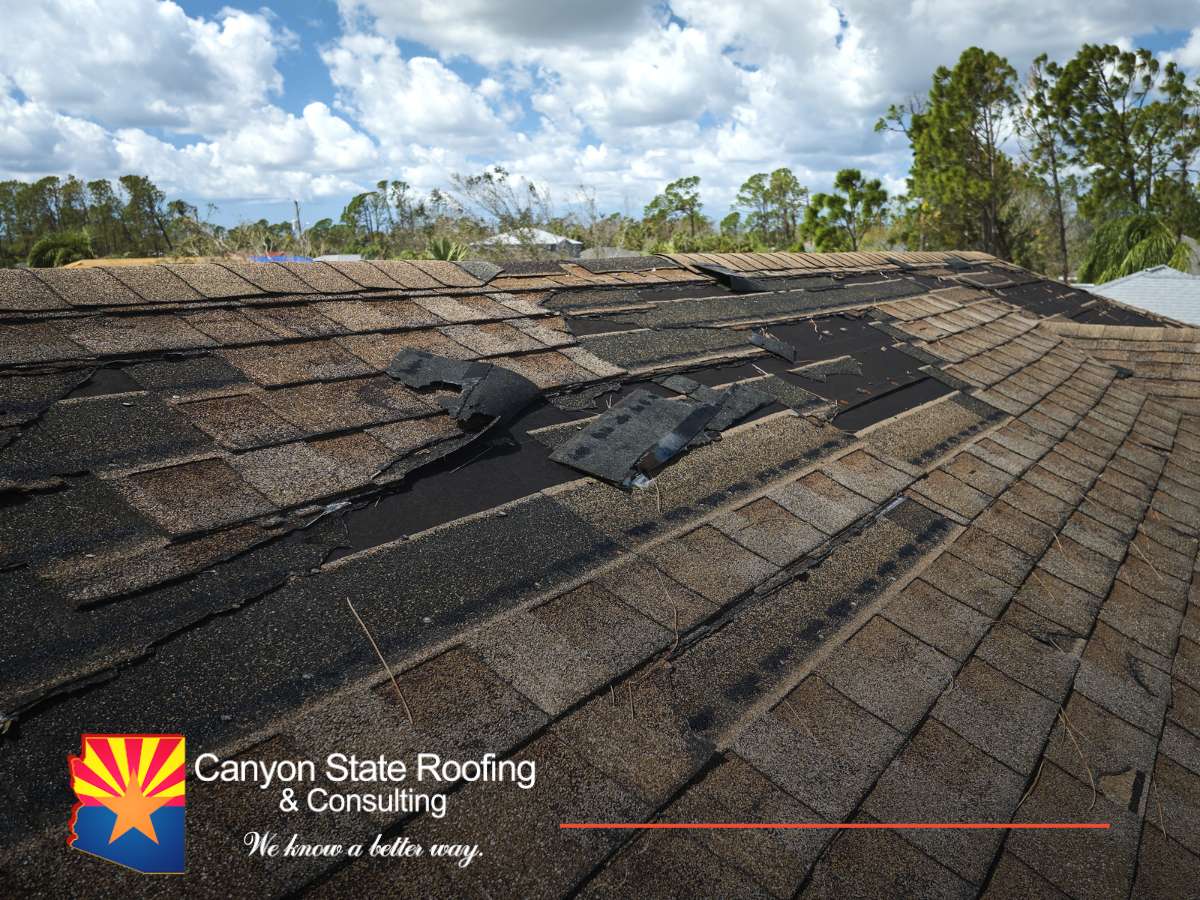
Hail impact can knock granules loose, leaving dark patches or bald areas on the shingles, which can accelerate wear, even if there are no visible leaks yet.
4. Broken Or Missing Shingles
Hail can also split or completely dislodge shingles, especially on older roofs. Missing or broken shingles expose the underlying materials in your roof to moisture and other external elements that can increase the chances of leaks and interior damage.
Even the smallest fracture can compromise your roof, which is why you shouldn’t overlook any broken shingles, especially after hailstorms.
5. Punctured Or Dented Flashing
Flashing is essential to protect vulnerable areas around chimneys and vents, so having them damaged can really affect the entire roof structure. Hail can dent or puncture metal flashing easily, leading to a weakened watertight seal that can cause water intrusion or slow leaks—and they may not appear until long after the storm has passed.
6. Damaged Roof Vents
Roof vents are usually made of fragile materials like plastic or thin metal, so they are especially vulnerable to hailstorms. With a broken vent or cracks on the surface, your attic space may suffer from water leaks. In other words, you shouldn’t ignore vent damage after hailstorms, as it is a common source of post-storm leaks.
7. Blistered Paint & Water Pooling Indoors
Some interior signs often point to roof damage that’s already progressing, including:
- Blistering paint
- Ceiling stains
- Unexplained moisture inside the house
Water pooling or damp areas indoors indicate that hail may have already compromised the roofing system, making it crucial to contact a roof repair contractor as soon as possible.
How To Repair Hail Damage On Your Roof
The first thing you should do is to create a clear plan, as it allows you to act on time. Remember that even the smallest damage to your roof can shorten its lifespan and affect the entire property.
Here’s how you can act:
Document The Storm Date & Visible Damage
Documenting the damage is essential to guarantee any insurance claim or to simply contact a roof expert for more help. We recommend doing it in this order:
- Record the date and approximate time of the hailstorm
- Take clear photos or short videos of visible damage (think of chipped siding, dented gutters, etc.)
- Add any detail you think may be necessary for more context of the damage (For example, the hailstorm happened at night, and you heard strange noises from the roof).
Do A Safe Ground-Level Inspection First
NEVER climb onto the roof after a storm! It can be extremely dangerous. It’s better to walk around the property first and inspect what you can see safely from the ground. You can also use binoculars to spot cracked shingles, loose flashing, or damaged roof vents without risking injury.
Prevent Further Damage If There’s Active Leaking
If water is already entering your home, then you need to act quickly with a temporary protection method. You can place buckets or small containers under active drips or cover exposed roof areas with a tarp to limit interior damage. While these are short-term methods, they can reduce the risk of mold growth and structural damage while waiting for a professional roof repair company.
Schedule A Professional Roof Inspection
Now it’s time to contact the experts. Do not ignore this step, even if you think the hail damage is “small. Some hail damage doesn’t break shingles, but still compromises the integrity of your roof, which is why we insist on contacting the experts.
A professional inspection can help you identify issues like bruised shingles or subtle flashing damage that often lead to leaks later. This step is what ensures your roof is out of risk or heavily affected.
Get A Written Repair Plan & Estimate
If your roof needs special attention due to hail damage, the roofing contractor will inform you. They’ll also create a written repair plan explaining the scope of work, materials needed, and estimated costs. This documentation helps set clear expectations and provides essential support when filing insurance claims. A detailed estimate also ensures repairs address both visible and hidden hail damage.
Is Roof Hail Damage Repair Necessary?
The short answer is: It depends. But most of the time, it is necessary to guarantee the roof remains in perfect condition for the corresponding time.
Even when the damage doesn’t look severe at first, it still needs proper attention with professional assistance. Untreated hail damage can lead to moisture intrusion, mold growth, higher energy costs, and premature roof failure.
In fact, repeated exposure to small hailstorms might be affecting your roof more than you think. And if you haven’t checked your roof after a few, then you might be risking your home a lot. According to research from the Insurance Institute for Business & Home Safety (IBHS), repeated exposure to hail (even those previously considered too minor to cause damage) can weaken asphalt shingles over time, leading to higher vulnerability during future storms.
The study also suggests that cumulative granule loss from frequent sub-severe hail may accelerate roof deterioration more than isolated large hail events.
In other words, it’s crucial to keep an eye on your roof after hailstorms, and contact the experts on time to see what really happened. If they confirm there’s been damage –regardless of the size– then you probably need a repair plan, especially if you want to keep your property intact for the following years or you’re thinking of selling it in the future.
How Big Does Hail Need To Be To Damage A Roof?
Anything the size of a quarter (1 inch) or bigger is a problem. If you see hail that size in your yard, you need an inspection.
- On Shingles: Quarter-sized hail is heavy enough to punch through the surface and fracture the fiberglass mat underneath.
- On Tile: It usually takes golf-ball sized hail to crack the center of a tile, but smaller hail will easily chip the corners and edges, which ruins the water seal.
It’s Not Just About Size Wind makes everything worse. A small piece of hail driven by 50 MPH winds hits your roof like a bullet. If the storm was windy, don’t assume you’re safe just because the hail looked small.
Can You Get Insurance For Roof Hail Damage?
In most cases, yes. That’s because homeowners’ insurance usually covers roof damage caused by hail, as long as the policy is active during the storm and the damage resulted from the sudden event. This type of damage falls under dwelling coverage.
That said, coverage details vary by policy, so it’s wise to take notes of some key factors that could affect your coverage:
| Factor | Why It Matters |
| Policy Type | Replacement cost policies offer better coverage than actual cash value policies |
| Roof Age | Older roofs may receive reduced payouts |
| Material | Asphalt, metal, and tile roofs are evaluated differently |
| Documentation | Photos, storm dates, and inspection reports strengthen claims |
| Claim Timing | Most insurers require claims within a specific time window |
Tip: If you want to improve your insurance approval, remember to document visible damage quickly and schedule a professional inspection with a roofing company.
Hire A Professional Roofing Contractor In Arizona
Remember to contact a Phoenix roofing company if your roof has suffered severe damage, especially after a hailstorm. At Canyon State Roofing, we can do our best to ensure your roof is as new as it was before any damage. We can also perform any roofing project, including roofing installation and re-roofing. Contact us now!
See How We Help Homeowners Recover From Storm Damage
Hail and severe weather can compromise your roof in ways that aren’t immediately visible from the ground. Whether you need a thorough drone inspection to verify micro-burst damage or fast action to stop a leak, having an experienced team by your side makes all the difference.
Here are a few recent experiences from homeowners who trusted us to restore their roofs and their peace of mind:
“They were very responsive and came out quickly. We had some displaced tiles on our roof, probably from wind. He put them back into place free of charge! It was so kind of him, and we will absolutely call them next time!”
— Kristyn Brandenburg [Read full review]
“15 years after construction, our house sprung a small leak. Jim came out to inspect and identified the cause, which occurred from poor workmanship around a vent when the house was constructed. After authorizing the work, the crew updated the entire section of roof around the leak and restored the tiles as they were before. Not soon enough, because the night after work was completed, we had a storm and the leak was no more!”
— Malak AlDayook [Read full review]
“Real pleasure to work with. I have some damage from the big mico-burst that came through. They came out and assesed quickly and charged me fairly. The drone pictures of the damage were great so I could understand what was being fixed. I highly recommend these guys”
— John Hostler Jr [Read full review]
If you suspect your property took a hit, act quickly to get a professional assessment before a minor vulnerability turns into an active leak. Contact us today to schedule your comprehensive roof inspection in Phoenix!

Canyon State Roofing
4809 E Thistle Landing Dr #100
Phoenix, AZ 85044
Office: 602-400-1635
Email: [email protected]
Website: www.canyonstateroofs.com