
Table Of Contents
Is Frost A Concern For Arizona Roofs?
By Canyon State Roofing & Consulting
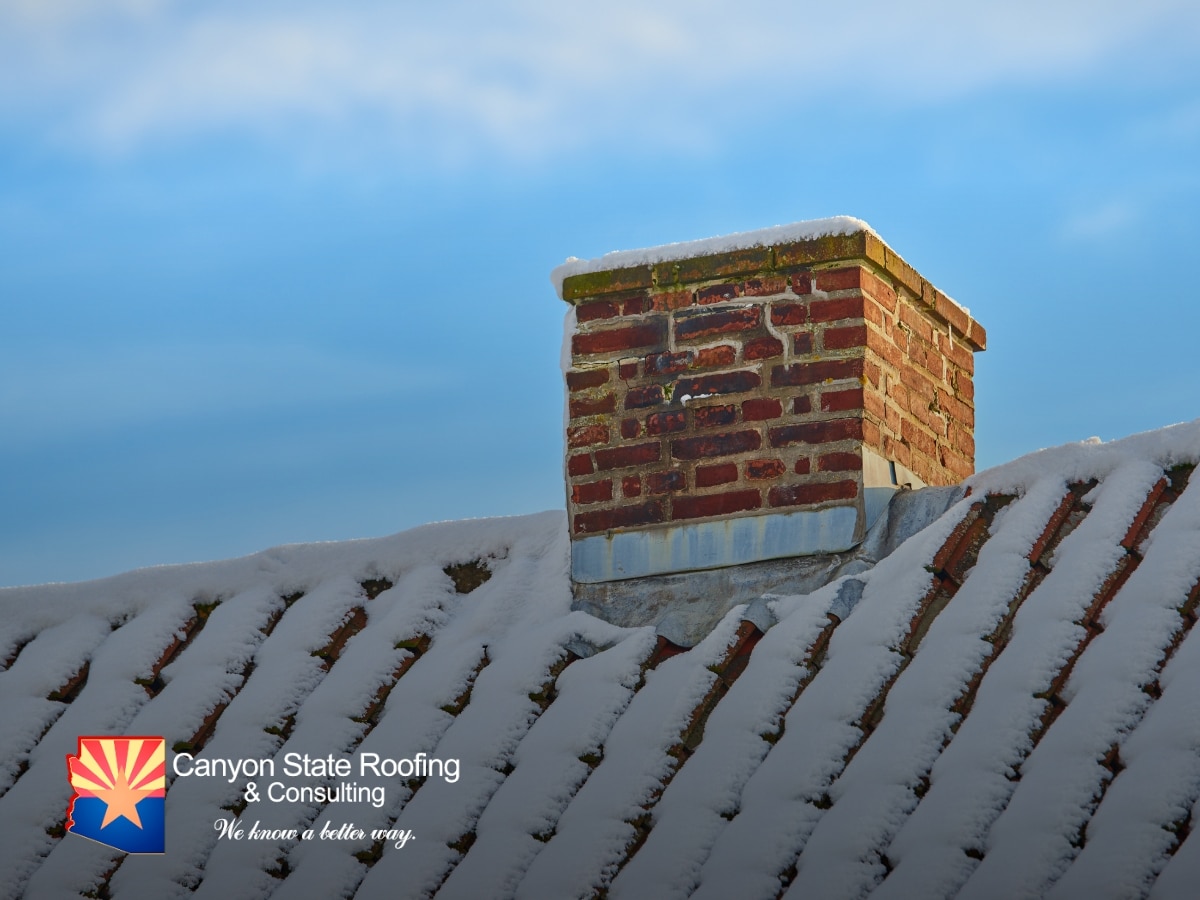
On the first cold morning of the year you can stand on a street in Ahwatukee or Gilbert and see some roofs white with frost and others bare. Same street, same night, same temperature.
Frost on your own roof isn’t the problem, and it’s the better of the two outcomes. A roof that stays bare while similar roofs turn white is being warmed from below, which means heated air is leaking out of your house and into the attic. You pay for that in January, and you pay for it again in July, when the same gaps let the cooled air out.
The Quick Version
- Frost Is A Good Sign. Frost only forms on a roof that stays cold, and a cold roof means your ceiling is keeping the heat inside the house.
- A Bare Roof Is The Warning Sign. If your roof stays clear while similar roofs frost over, heat from inside the house is escaping into the attic.
- Check Three Mornings Before You Conclude Anything. Sun angle, shade and slope all change the picture, so compare roofs that face the same way.
- Seal The Attic Before You Insulate. The EPA’s order of operations is air sealing first, because insulation laid over open gaps still lets air through.
- Winter Is The Easy Season To Reroof Here. The national advice to wait for spring is written for snow country.
- Winter Maintenance Is Monsoon Cleanup. Clearing the drainage paths is the highest value job on the list.
Why Roofs Frost When Phoenix Barely Freezes
Your roof can frost on a morning when the official temperature never reaches freezing. The National Weather Service notes that Sky Harbor rarely gets to 32 degrees even on its coldest days, yet roofs across the Valley still turn white. The reason is radiation: on a clear, still night a roof sends its heat straight up into the open sky and cools below the air around it. That’s why frost follows clear, calm nights and skips the windy and cloudy ones.
Frost is also local. Cold air drains downhill and pools in low ground, so two houses a block apart can differ because one sits slightly lower, or because a mature tree holds warmth beneath it. Ground above the Valley floor, out toward the east and north, freezes far more often than central Phoenix does. Take all of that into account before you read anything into a single morning.
A Roof With No Frost
A bare roof on a morning when similar roofs are white usually means the attic is being heated from inside the house. Warm air escapes through gaps in the ceiling plane, collects in the attic, and warms the underside of the roof deck until frost can’t form on it.
Is Frost On My Roof Bad?
It isn’t. Frost means your roof deck is cold, and a cold deck means the ceiling underneath is keeping conditioned air in the house instead of leaking it into the attic. Roofing materials handle a much wider temperature range than Arizona produces. The roof with no frost is the one worth looking into.
Why Does My Neighbor Have Frost When I Don’t?
Check the simple explanations first. Your roof may take more direct morning sun, so the frost burned off before you looked, or your neighbor’s roof may sit in shade that holds it longer. Orientation and slope matter too. If none of that explains the difference, the likely answer is warm air leaking out of your living space and into the attic.
What Stripes And Bare Patches Show
The pattern tells you more than the presence of frost does. Frost that survives in stripes, with bare lines running up the slope, is drawing your rafters for you. Wood conducts heat better than the insulation around it, so framing bleeds warmth and melts the frost directly above it.
Bare patches in one area point at something local instead: a missing batt of insulation, a spot where insulation was pushed aside for wiring, or an attic hatch nobody sealed. Photograph the roof from the street at first light, before the frost burns off, and you have a record of it.
Check The Pattern Over Three Mornings
One cold morning proves very little, because sun angle, tree cover and slope direction all influence what you see. Look at the roof on three separate frosty mornings at first light, and compare it only against neighboring roofs with similar orientation and shade. A pattern that repeats across all three is worth acting on. A single odd morning is just weather.
The Summer Cooling Bill Is The Same Problem
In a cold climate, attic air leaks cost you heat. In Arizona they cost you heat now and cooling later. The gaps that let warm air up in January are the ones that let cooled air out in July, so what you learn from a December frost check is really a July air conditioning problem you can fix early. Our guide to how attic insulation affects your roof covers the rest of that connection.
Seal The Attic Before You Add Insulation
The instinct after finding a leak is to add insulation, and the order matters more than the amount. The EPA’s guidance on attic insulation is plain: “EPA recommends that you complete an attic sealing project before doing this project.” Insulation laid over unsealed gaps slows conduction while air keeps moving straight through it.
Energy Star’s attic air sealing guide points at where the large leaks usually are, which is where inner and outer walls meet the attic floor, at dropped soffits, and behind or under kneewalls. Two cautions come with the work. Vermiculite insulation may contain asbestos and should not be disturbed until a lab has tested it, and if you burn gas or oil in the house, Energy Star suggests having a contractor test that those appliances draft properly before and after sealing. This is insulation work rather than roofing work, so it is a different trade from ours.
Can You Replace A Roof In Winter In Arizona?
You can, and here it is the easiest season to do it in. National roofing advice assumes winter brings snow and temperatures too cold for materials to seal, which is written for the Midwest. In Arizona the constraint runs the other way.
Why Winter Beats Summer For Roof Work
Summer roof decks are punishing. A roof in full sun runs far hotter than the air around it, crews lose hours to the heat, and the working day starts before dawn. A December day in Phoenix with a high in the 60s gives a crew a full, steady working day on your roof, which is how planned work stays on schedule.
Temperature Limits For Foam And Coatings
Coatings and spray foam are the materials with real winter limits, and they are the ones we watch the calendar for. Both need warmth to cure, and a foam recoat needs a weather window rather than a single warm afternoon, so we schedule those around the forecast. Tile work carries no such limit, which is why a tile reroof runs comfortably through a Valley winter.
What Is The Best Month To Replace A Roof In Phoenix?
Late autumn through early spring gives the best conditions. The specific month matters less than avoiding the peak of summer heat and the middle of monsoon season, when the calendar fills with emergency work. If your roof is already leaking, the best month is the one you’re in.
Winter Leaves Room On The Schedule
Monsoon season fills a roofing calendar with emergencies, and planned work waits behind them. Winter gives crews the room to schedule a job properly, stage materials, and work it without racing a storm front.
Arizona Winter Roof Maintenance Checklist
Almost all of this happens from the ground or from inside the house. Nothing on the list asks you to walk the roof, and there are good reasons not to.
Finish The Monsoon Cleanup
Winter maintenance in Arizona is mostly monsoon cleanup. Wind lifted tile, displaced ridge mortar and debris driven into valleys don’t announce themselves in August. They wait, and they show up as a stain on a ceiling in February. Our guide to checking your roof for damage after a monsoon covers what to look for from the ground.
Clear The Drainage Paths
Blocked drainage causes more winter roof damage than cold does. Water that can’t leave the roof sits in valleys, at scuppers and behind debris dams, and standing water is what turns a cold night into damage. Clearing it needs a ladder and gloves, not a walk across the tile.
Look In The Attic With A Flashlight
Go up on a bright day and look for daylight through the deck, damp or matted insulation, rust on nail points, and staining on the rafters. Step only on the joists, never on the drywall between them. What you find in the attic confirms or corrects whatever the frost pattern outside suggested.
Spot Damaged Tile From The Ground
Use binoculars to find tiles sitting out of course, visible cracks, and gaps along hips and ridges. A cracked tile leaves the underlayment underneath it taking direct sun, and underlayment data sheets list UV exposure limits of about 90 days to six months, so the repair gets more expensive the longer it waits. The tile is the primary water shedding surface and the underlayment is the secondary barrier, which is why a worn underlayment turns into leaks even under sound tile. Matching an older profile takes a trained eye, and we’ve written about how we match roof tiles.
Check Flat And Foam Surfaces
Good drainage means no ponding water 48 hours after rain. Water still standing after that is a drainage defect, and it is the water most likely to sit in a low spot through a cold night. On foam and coated roofs, look for chalking, thinning where people walk, and blistering. Recoating on schedule is what carries a foam roof to the end of its designed life, and it is the cheapest roof maintenance you will ever buy.
Trim Back Overhanging Branches
Winter is the low season for growth, which makes it the right time to cut back. Branches resting on tile abrade the surface every time the wind blows, and foliage over the roof drops debris straight into the valleys you just cleared. Cut the growth back clear of the roof plane rather than level with it.
Check The Roof Penetrations
Skylights, vents, swamp cooler stands and solar standoffs are where most leaks start. From the ground, look for flashing that has lifted or shifted around each one. From the attic, look for staining on the deck directly beneath them.
Leave These To A Roofer
Don’t walk a tile roof, don’t reach for sealant, and don’t lift tiles to look underneath. Those three turn small problems into structural ones, and a tile manufacturer’s warranty typically excludes damage caused by roof traffic, so the repair lands on you. If your roof is still inside a workmanship warranty, read what it says about repairs by anyone else before you touch it.
How Cold Weather Affects Roofing Materials
Frost itself doesn’t hurt a roof. The risk comes from water and from temperature swings.
Trapped Water Is The Real Risk
Water expands as it freezes. Water sitting in a hairline crack in a concrete tile, in aging ridge mortar, or ponded on a flat deck pushes that space open a little further, and the next cold night does it again. A dry roof comes through winter unchanged. A roof holding water is the one that loses tile and mortar.
Does Frost Damage Tile Roofs?
Not by itself. Frost combined with water already trapped in a cracked tile or crumbling ridge mortar widens the damage that was there, through repeated freezing and thawing. The fix is the crack, not the frost, which is why a cracked tile found in December is worth handling before it collects a winter of rain.
Thermal Cycling Loosens Fasteners Over Time
A Phoenix roof can swing 30 to 40 degrees between a winter afternoon and the following dawn. Materials expand and contract across that range, and over years the movement loosens fasteners, opens sealant joints and fatigues flashing at the transitions. None of it announces itself until a leak appears at a penetration that was fine last year.
Will A Cold Snap Make An Existing Leak Worse?
It can, if there is standing or trapped water in the assembly. More often a cold snap is simply when an existing defect gets noticed, because winter rain is slower and steadier than a monsoon burst and pushes water through a gap differently. Either way the cold exposed the defect rather than creating it.
Getting A Roof Inspection Before Winter
If the roof went through a monsoon season without anyone looking at it, get it inspected before the winter rain arrives. Unrepaired monsoon damage is the most common reason a winter storm turns into an interior leak, and December is a far better month to find it than July. We inspect the attic as well as the roof, because the two answer different questions.
If you noticed a bare patch of roof on a frosty morning, or you’ve been putting off a repair since the last monsoon, this is the season to deal with it. We’ve been in business for over 20 years, our crews work tile and foam across the Valley, and we would much rather look at a small problem in December than answer an emergency call about it in July.
We work across the Valley, including Gilbert, Mesa, Peoria, Sun City and Arrowhead. To set up a time, call us at 602-400-1635 or send us the details and we’ll call you back. If water is coming in right now, that is what our emergency roof service is for.
Winter Roof Resources
- Energy Star’s Attic Air Sealing Guide. Where the big attic leaks hide, what to seal them with, and the asbestos and combustion cautions to clear first.
- Energy Star’s Do It Yourself Sealing And Insulating Guide. The step by step version with materials and drawings, if you plan to do the sealing yourself.
- National Weather Service Phoenix. The office that issues the Valley’s freeze warnings, worth checking before a cold night if your roof is open or newly coated.
Canyon State Roofing & Consulting · 4809 E Thistle Landing Dr Ste 100, Phoenix, AZ 85044 · 602-400-1635 · ROC #276078
About Canyon State Roofing & Consulting
Canyon State Roofing & Consulting is a family-owned Phoenix Valley roofing contractor working on tile, foam and single-ply roofs. The company has been in business for over 20 years and is owned by Jim McLain, a Marine Corps veteran. Here’s who we are and the credentials behind our work.
Licensing and credential details are current as of the date of this page. Verify any contractor’s license status directly with the Arizona Registrar of Contractors.

Canyon State Roofing
4809 E Thistle Landing Dr #100
Phoenix, AZ 85044
Office: 602-400-1635
Email: [email protected]
Website: www.canyonstateroofs.com